"It's a very good read" Pete Hill, broadcaster, The D Word

As Featured In

Deadheaded: An Alzheimer's Memoir by Mother and Son
A Life In Black Bin Liners
Having lost both parents to Alzheimer's, I found myself facing the grim, inevitable task of clearing the house to prepare it for sale. For thirty years, the heart of their home had been the attic writing room — a cramped space, now occupied by a gnarled old typewriter gathering dust and a large collection of manuscripts, folders, and scripts from a lifetime of amateur dramatics.
As the house-clearance team dismantled the rooms below and began working their way upstairs, I realised there was simply too much for me to sort through. To save what I could, I scooped up as much of their creative life as possible and stuffed it into several black bin liners. Bringing home multiple bags of unsorted papers was never going to win me any domestic popularity points, but I promised my wife I’d eventually sift through it all and “do something with it.” At the time, I had absolutely no idea what that “something” might be.
The first treasure to surface was a folder with a black-and-white school photograph of my mother on the cover. Inside was her manuscript about growing up during the Blitz and her evacuation to Lincolnshire. After more rummaging around, I unearthed additional handwritten chapters and an earlier draft. I found myself unexpectedly absorbed by the detective work of piecing it all together and digitising it. The result was her book, London Can Take It, published in 2025 under her maiden name, Valerie Braunston.
But one thing kept catching my eye: several copies of her previously published memoir, retrieved from the attic. I’d been proud of her when it came out in 2014 — she was 80, and writing about my father’s slow decline with Alzheimer’s had been cathartic for her. But he had died just before publication, and I could never bring myself to read it. The grief was too raw, and as the years passed it became easier simply not to open the book at all. I knew exactly where it would take me, and I wasn’t ready to go back there.
Fast-forward to 2026. With both parents gone, I finally felt able to read her work properly. It stirred memories, of course, but it also made me think: her book was complete, yet incomplete at the same time, because I remembered some events differently. Alzheimer’s doesn’t just affect the person who has it, or their primary carer — it reshapes the entire family.
My mother had written honestly and bravely about my father’s decline, but she began her own journey with Alzheimer’s in a cruel symmetry neither of us could have imagined. Her memoir captured one half of the story; the other half was still waiting to be told. And then there was the final, extraordinary fact: both of my parents donated their brains to medical research — a generous, quietly radical decision. Their final act made me realise that their story wasn’t just personal; it had a wider purpose. It deserved to be understood, shared, extended.
So began the unexpected journey of crafting a dual-voice memoir — weaving my perspective into hers, creating a cross-generational conversation. The result is Deadheaded: an emotionally intelligent, quietly humorous, and deeply human dementia memoir that captures the heartbreak and absurdity of dementia care from multiple angles — mother and son, past and present, memory and re-memory.
Miles Bingham 2026

About The Authors

Valerie Bingham
Valerie Braunston was born in London and spent most of her adult life in Brighton & Hove before retiring with her husband, Jack Bingham, to Ludlow in Shropshire. A natural storyteller, she became a popular after‑dinner speaker and later took a correspondence course in creative writing. Her short stories and articles about her wartime childhood appeared in publications including Country Living, Family Circle, and The People’s Friend. Valerie’s first full‑length book, The Rocky Road to La-La Land, was published in 2014. Valerie continued writing about the events that shaped her life until her passing in Ludlow in 2023, leaving behind a legacy of stories.
Miles Bingham
Miles enjoyed a long career in financial services where he contributed to national magazines, appeared on the BBC discussing consumer issues, and wrote widely within the financial sector. His move into memoir began unexpectedly after discovering his mother’s unpublished manuscript about her wartime childhood. He edited and curated the material, which was published in 2025 under her maiden name as London Can Take It by Valerie Braunston. Reading his mother’s previous Alzheimer’s memoir prompted Miles to explore his own perspective on their family’s story. His book, Deadheaded, brings these two voices together, creating a cross-generational account that intertwines themes of memory, caregiving, and the long arc of loss.
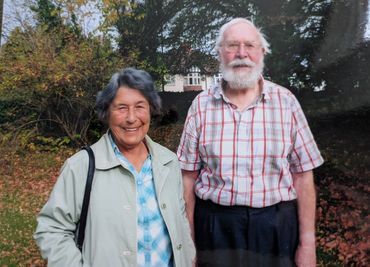
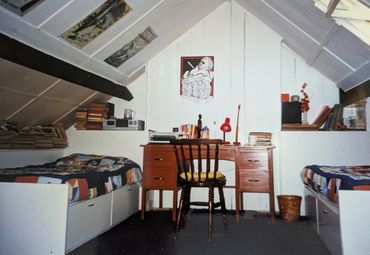
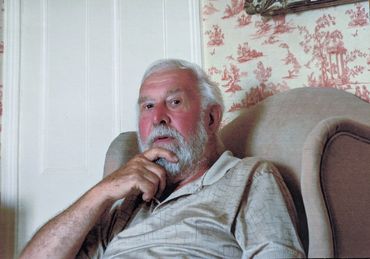
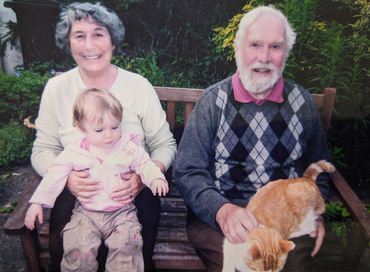
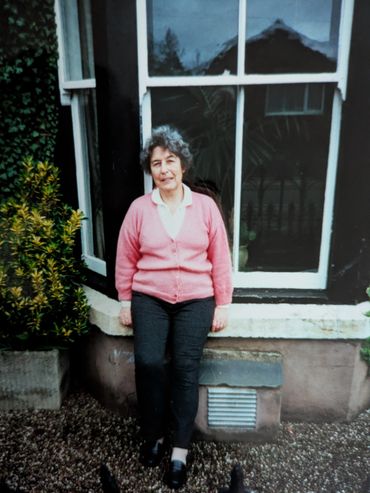
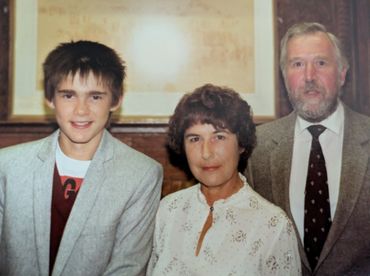
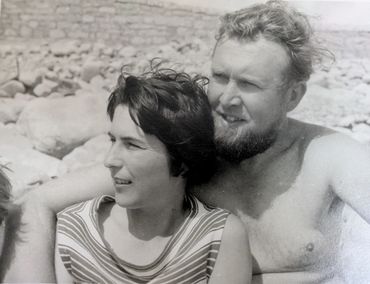
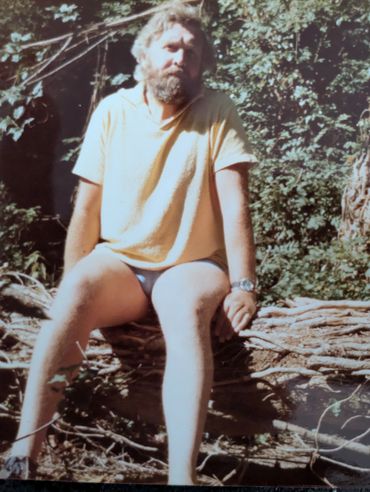
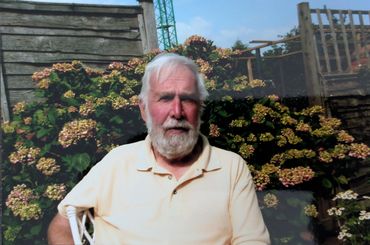
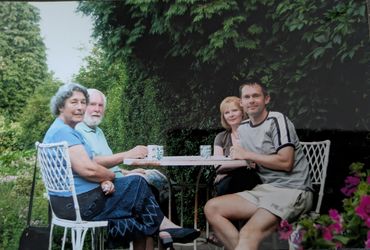
Deadheaded - family photo gallery



Valerie's World War Two Memoir
London Can Take It, Valerie Braunston, Published 2025

DISCOVER VaLERIE's WW2 Childhood MeMOIR
In 1939, Valerie Braunston and her family hoped the war would pass them by in the quiet neighbourhood of Bush Hill Park, Enfield. But as the Blitz began, her carefree childhood transformed into a daily fight for survival. Valerie endured air raids, rationing, and a fractured education while London was battered for eight relentless months. By 1944, V-1 and V-2 rockets forced her evacuation to a pig farm in Lincolnshire, yet she quickly plotted her return to London to pursue her dream of becoming an actress.
Years later, after Valerie moved into care at 88, her son found a manuscript while clearing out her house. Discovered beside a jammed-up typewriter, it captured her memories of that time, infused with her humour and resilience. This Alzheimer's memoir reveals Valerie's poignant story of life on the Home Front during World War II, showcasing the enduring strength of the human spirit during one of history's darkest times.
“Brilliant…it’s a really enthralling story and so well told,” Dean Jackson, BBC Radio.
“An engaging storyline, well presented and an easy read that you will want to refer to again and again. A highly recommended read,” John Leete, WW2 Historian and Author.
“I thought it was a really amazing insight into life during the war…a charming and touching memoir,” Jack Chesher, Living London History.
“A wonderful story and a great writer, she puts the reader right there,” Jeffrey Paparoa Holman - award-winning writer, poet, and academic.
TO VIEW ON AMAZON - Click the link below